Case study · Healthcare · Devnest
MedPaddy
Ownership: Team · Senior QA
My role: Senior QA Engineer at Devnest Systems, as part of the delivery team.
- Sector
- Healthcare & life sciences
- Context
- Devnest Systems
- Ownership
- Team · Senior QA
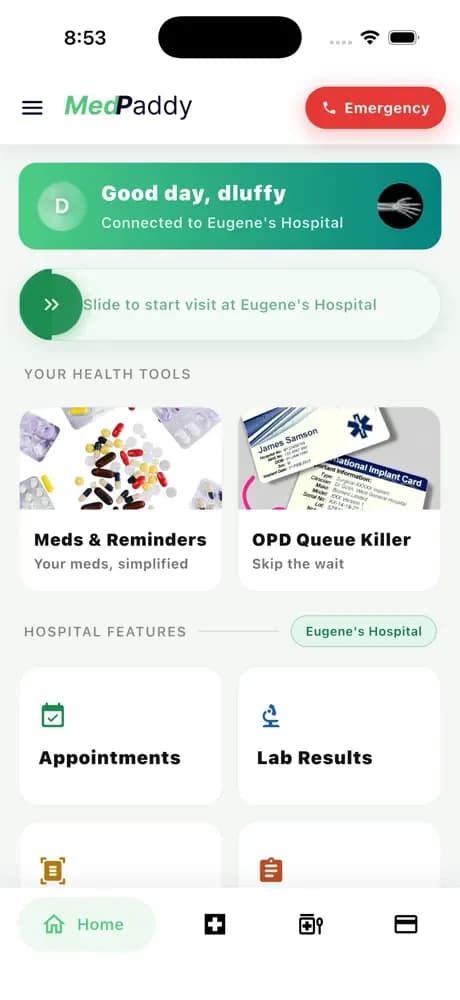
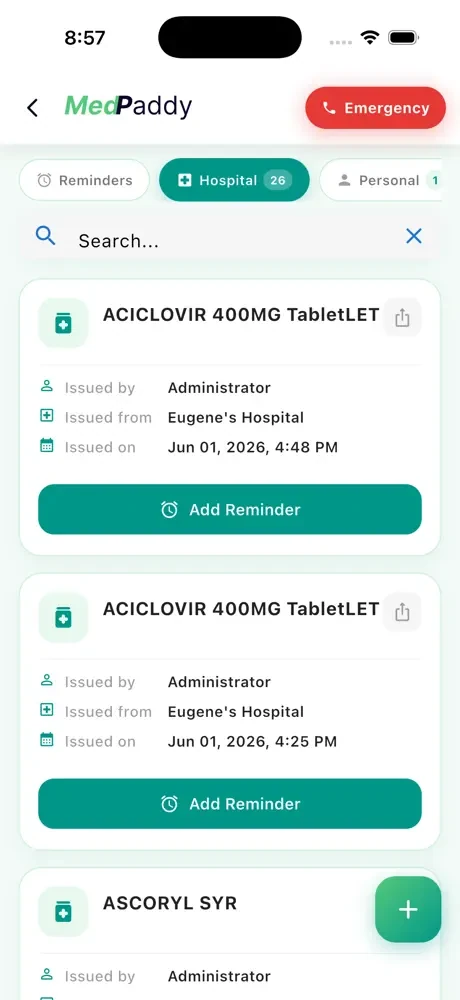
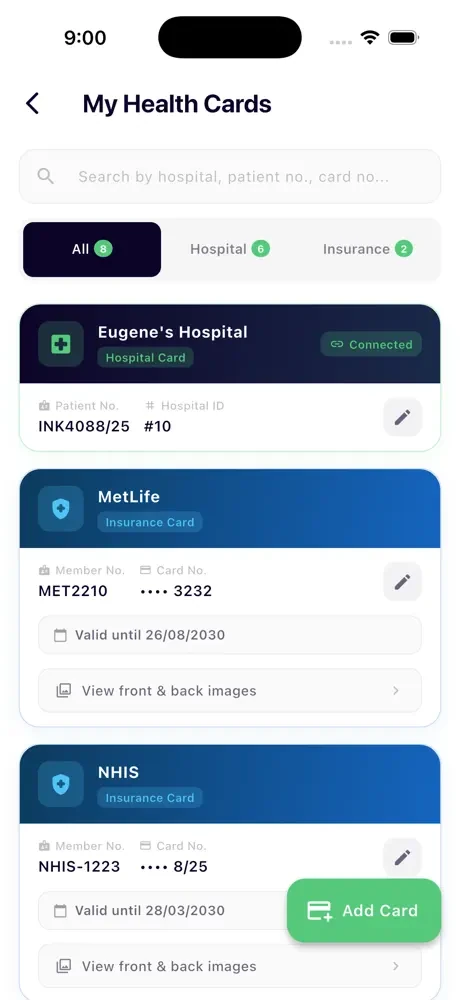
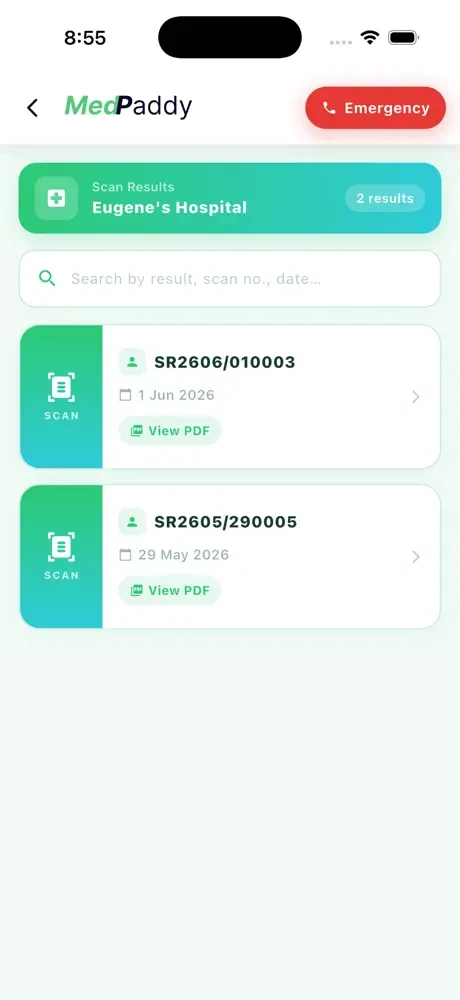
Real screenshot · seeded test data
01 — What it was
A mobile app for medical advice: a prescription helper that reminds users how and when to take their medication, and helps them monitor their health.
02 — Why it mattered
People managing their medication rely on its reminders and instructions, so a reminder at the wrong time, or a wrong instruction, could mislead them.
03 — My role
Senior QA Engineer | Systems Implementation Engineer at Devnest Systems, as part of the delivery team. I didn’t build the app.
04 — Technical problems
QA for an app like this has to cover time-based behaviour, such as reminders arriving when they should, and the accuracy of the medication guidance it shows.
05 — What I did
As part of the Devnest team, I tested MedPaddy by hand on devices, ran manual regression testing, and tested its APIs with Postman. I also took part in production deployments, and trained and supported end users through documentation and remote troubleshooting.
06 — Tools
Manual device testing, manual regression testing, Postman
07 — Result
Launched and used in production, helping users take their medication as directed and keep track of their health.
08 — What I learned
Health apps raised the bar for me: a reminder that arrives late is a bug the user may never notice, so time-based behaviour needs tests of its own.