Case study · Fintech · Fido
Fido App
mobile lending and financial services
Ownership: Team · Senior QA
My role: Senior QA Engineer at Fido Micro Credit, as part of the engineering team.
- Sector
- Finance & public finance
- Context
- Fido Micro Credit
- Ownership
- Team · Senior QA
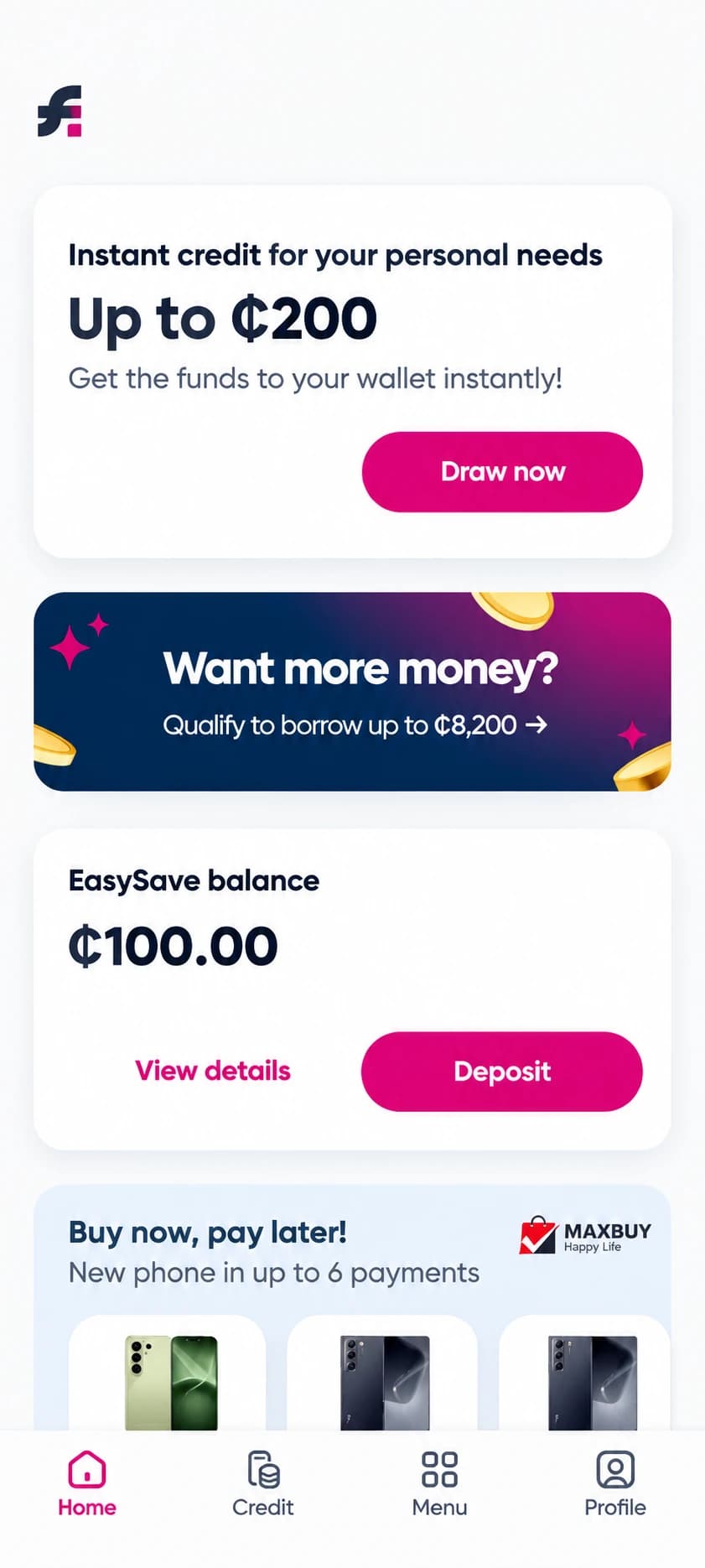
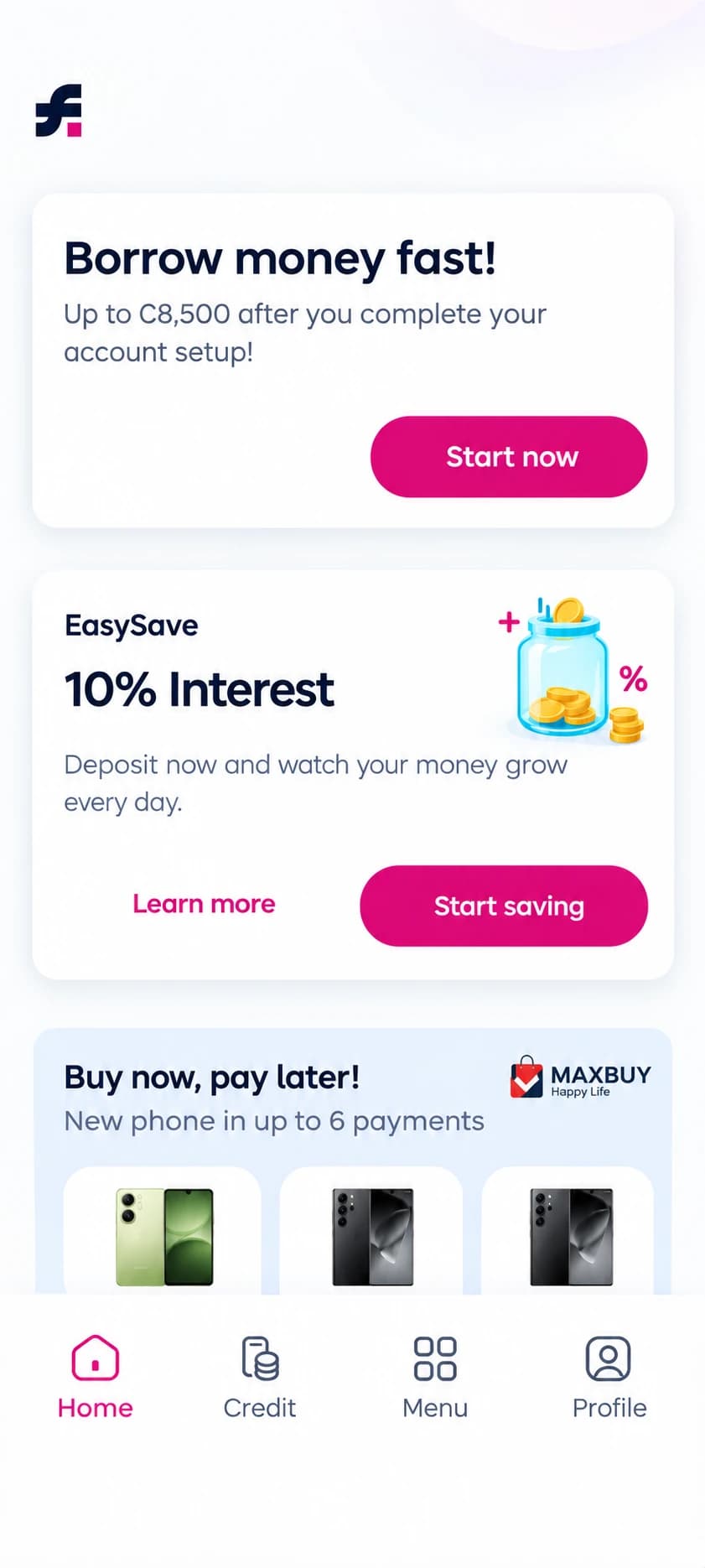
Real screenshot · seeded test data
01 — What it was
Fido’s mobile app for instant credit, savings and other financial services, used in Ghana, Uganda, Zambia and South Africa.
02 — Why it mattered
People rely on it for their money, in four countries, so a release that breaks costs real users.
03 — My role
Senior Quality Assurance Engineer at Fido Micro Credit, working inside the core engineering team. I didn’t build the app.
04 — Technical problems
UI testing was entirely manual (only the backend had automated tests), runtime bugs were hard to isolate in an existing codebase, and checks had to run on every release rather than by hand.
05 — What I did
Asked by my manager to start automated UI testing, I set it up from scratch with Maestro (mobile) and Playwright (web) and brought my QA teammates on board. Used agentic tools to audit the existing architecture and isolate runtime bugs. Designed and maintained the automated suites. Integrated them into the CI/CD pipeline. Wrote QA manuals and test configurations, tracked issues in Jira, and supported UAT, production validation, test planning and estimation.
06 — Tools
Maestro, Playwright, CI/CD, Jira, agentic AI tools
- Maestro
- Playwright
- CI/CD
- Jira
07 — Result
The QA team moved from manual-only UI testing to automated UI suites that run in the release pipeline, and the app is live in four countries.
08 — What I learned
Working inside the core engineering team showed me that tests do the most good when they run in the pipeline on every change, not as a separate step at the end.